
Dean Byrant: On Directing Annie Baker and Paying Attention to the Small Moments
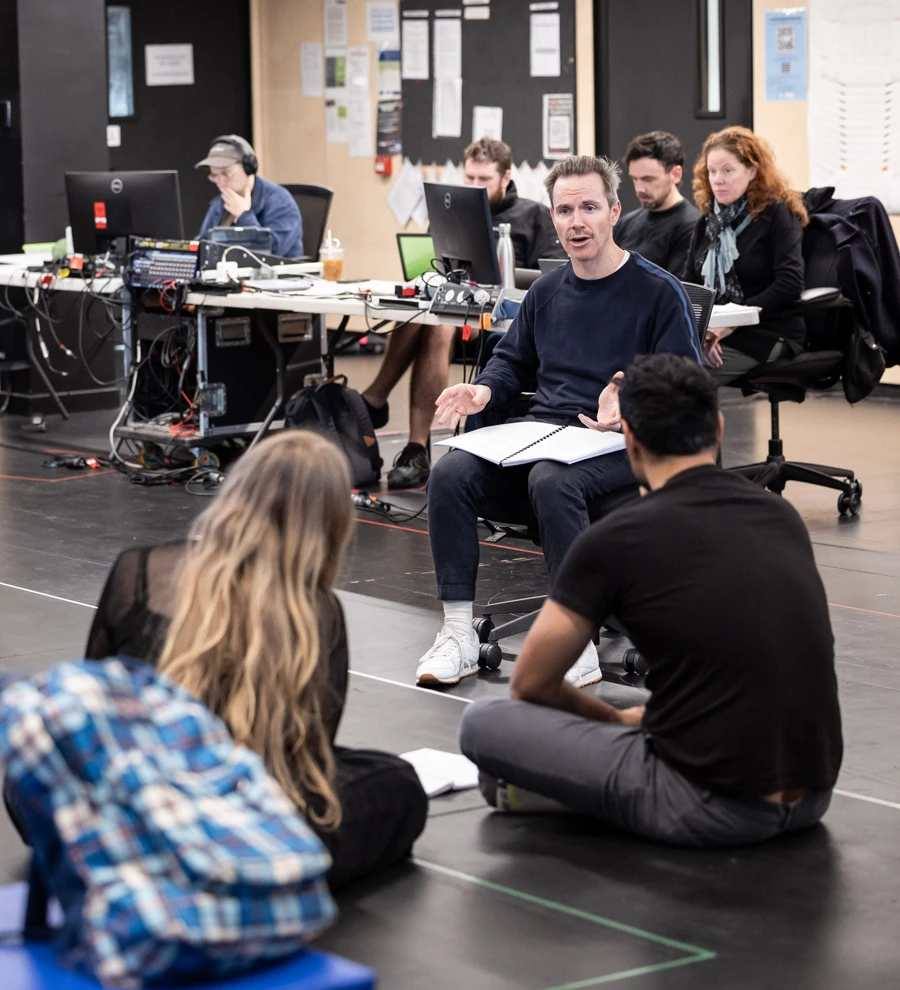
This play has lingered in my mind for fifteen years. When I first read it, I couldn’t get my head around how this collection of acting exercises and break-time conversations was working its magic and leading me towards a feeling I’d call transcendent. Now that I’m in the thick of rehearsals, spending hours exploring with the cast why a particular exercise is pushed up against a snatch of conversation, I can feel the subtle ingenuity of what Annie Baker built into the spine of the piece. She was pushing back against the heavily plot-driven work she was seeing in NYC at the time; fast, loud, shocking revelations, big stakes. She wanted to see what happens on stage if we take our time and pay attention to the small moments.
Because primarily that is how we spend our days. Trying to connect with the people who pass by us. Not because they might be the love of our lives, because they are in front of us. To pay attention to someone is a form of love, a regard for their essential humanity. Annie Baker wants you to come into a room together, put away your phones, and give your time to watching how people behave around each other. How they reveal what they feel when they aren’t talking.
Her plays are known for their pauses and silences, scored almost like music. She has said that without honouring those pauses and silences, the play is a satire, rather than a weird little meditation. It’s no surprise that she adores the plays of Chekhov. I came into the process nervous about the rhythms of the play, having spent a lot of my time on pieces that are fast and furious, where silence is a rarity, and the aim is to keep things moving. To honour the stage direction “the room is empty for twenty-five seconds” feels almost transgressive. And yet…once you trust the flow of the play, trust the cast to shade silences the way they do her minutely observed conversation, trust the audience to fill the space with curiosity, the power of Baker’s work makes itself known.
The play also takes me back to where so many of us started in the theatre; awkward and confusing acting games that are fun and silly but not necessarily what we thought was “real acting”. For these games to work, they require trust, they require you to give yourself over, they require that you listen. Theatre only comes alive when we listen. Life only comes alive when we listen. Baker has carefully sculpted a world where for six weeks, five people come together as they learn to listen.
Photo: Daniel Boud